
Lawn guide
Replacing a patchy or worn-out lawn
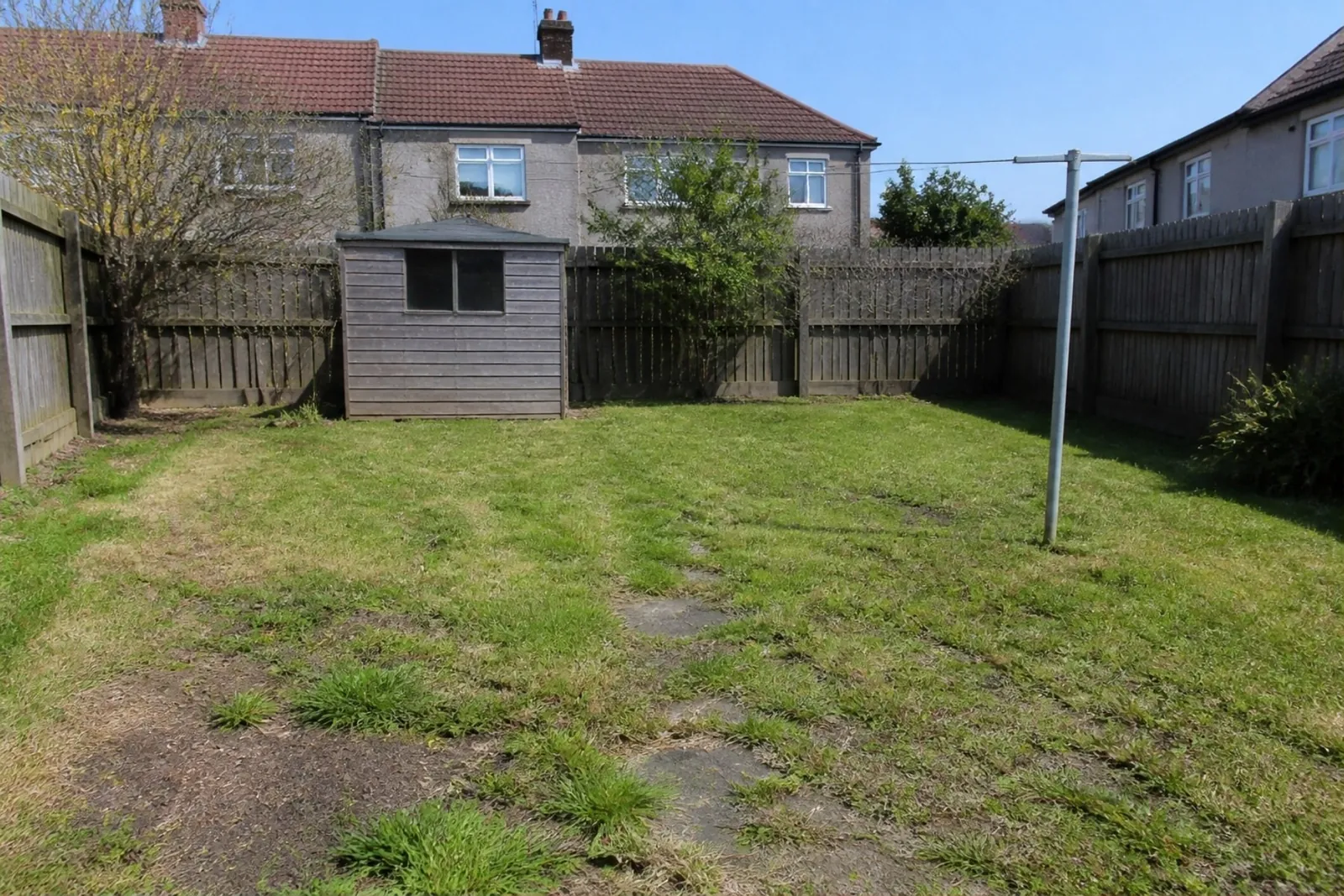
Bare patches from dogs and football, thin grass after a dry summer, weeds where grass used to be: patchy lawns are common. Here's how to decide between patching it up and starting again.
Common causes of patches
-
Wear
Paths across the lawn, goalmouths and the bit by the back door.
-
Drought
Thin, brown grass after a hot spell, especially on thin soil.
-
Dogs
Yellow spots from urine and worn tracks along fences.
-
Grubs
Patches that lift easily, often with birds or foxes digging.
-
Shade and damp
Thin grass and moss under trees or by walls.
-
Weeds and disease
Clover, plantain and fungal patches crowding out grass.
When patching works
If the lawn is mostly healthy with a few bare spots, overseeding is the cheaper route. Rake the patch to loosen the surface, sprinkle seed, cover lightly with soil and keep it moist. Early autumn and spring are the best times. For quick results on a single worn patch, a piece of turf can be cut in.
Small turf repairs will look a little greener than the old lawn at first and blend in over a season.
When to start again
Once more than about a third of a lawn is thin, bare, weedy or mossy, patching becomes a constant job. Replacing it gives you an even lawn of one grass type, laid on properly prepared soil, with the bumps and hollows sorted out at the same time.
- Patches all over, not just in one area
- Weeds have taken over large parts
- The surface is uneven as well as patchy
- Grubs or disease have damaged large areas
- The lawn never recovers after summer
Stopping it happening again
Think about how the lawn gets used. A stepping-stone path across a busy route, moving goalposts and trampolines around and giving new turf time to root all help. The turf we lay is hard-wearing, and our guide to choosing turf explains what to look for.
Common questions
Can you replace just the worn part?
Yes. We can returf one area and leave the rest, though new turf takes a season to blend in.
Is overseeding cheaper than turf?
Yes, much cheaper in materials, but it takes longer and works best on a lawn that's mostly healthy.