
Lawn guide
How to stop foxes digging up your lawn
Foxes are a common sight across Newcastle and its suburbs, and a freshly turfed lawn can look very inviting to them. Here's why they dig, and the humane ways to discourage them.
Why foxes dig lawns
Most of the time, foxes dig lawns for food. They're after grubs, especially leatherjackets and chafer grubs, which feed on grass roots just below the surface. A lawn with lots of grubs will often show small holes and lifted patches in autumn and winter.
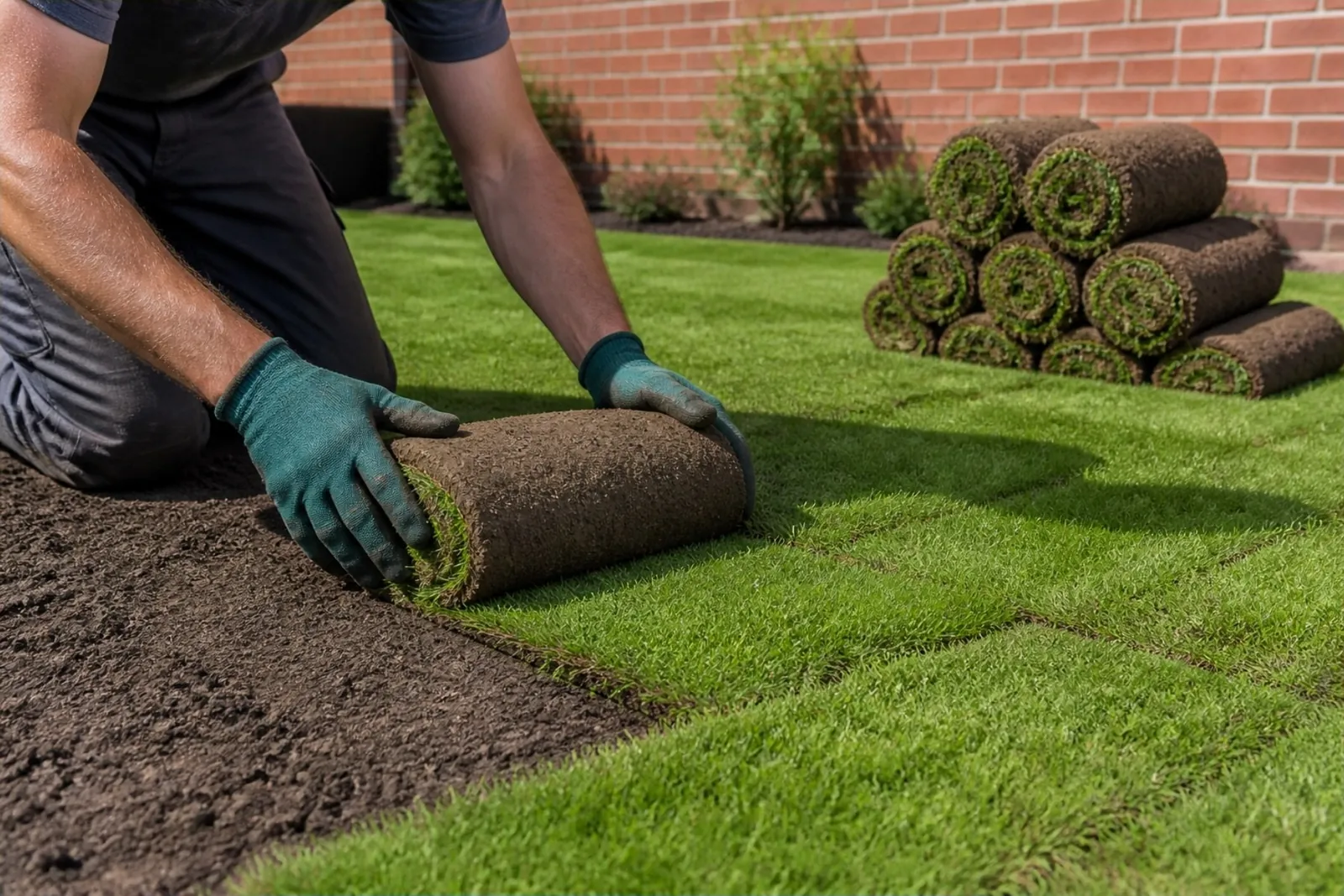
New turf attracts them for other reasons too. Freshly laid rolls smell of soil, and loose edges are easy to lift. Bone meal or blood, fish and bone fertiliser can also draw them in.
What helps
-
Deal with the grubs
If grubs are the attraction, treating them removes the reason to dig. See our guide to leatherjacket damage.
-
Remove food sources
Keep bins closed, don't leave pet food out and clear up fallen fruit and bird food.
-
Avoid tempting feeds
Don't use bone meal or fish-based fertilisers on new lawns.
-
Make it less welcoming
Motion-activated sprinklers are humane and effective. Secure gaps under sheds and decking.
Protecting new turf
Foxes are most likely to lift new turf in the first week or two, before it roots. Watering well helps the roots grip faster. If you see lifted rolls, press them back down, water them and, if needed, cover the area with garden netting pegged at the edges until the roots take.
Once the roots have grown into the soil, foxes find the turf much harder to lift.
What not to do
Foxes are protected from cruelty under UK law, so traps, poisons and anything that could harm them are out. Strong-smelling home remedies tend to work briefly at best. Taking away the food source is far more effective.
Common questions
Are foxes digging or is it birds?
Birds like crows and magpies peck and flick turf over looking for grubs; foxes leave deeper holes and scrapes. Both point to grubs in the lawn.
Will foxes damage new turf every night?
Usually only until the turf has rooted or the attraction is removed.